


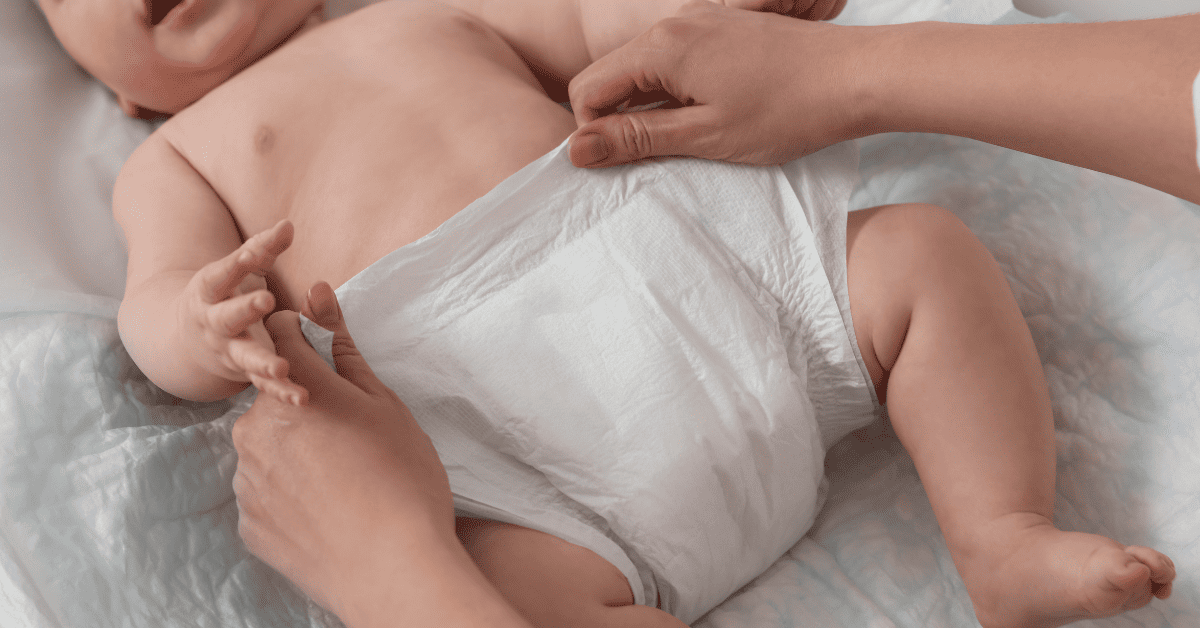
acozyfuture.com - It always seems to happen at the worst time. A diaper blowout during naps, car rides, or right before bedtime can leave both babies and parents stressed and exhausted.
After enough outfit changes and messy cleanups, you start wondering how to prevent diaper blowouts for good. The good news is that a few simple changes, from diaper fit to timing, can make a big difference in keeping leaks under control!
Table of Contents:
What Is a Diaper Blowout?

A diaper blowout happens when poop leaks out of the diaper, usually through the back or sides.
Every parent has that moment. You pick up your baby after a nap or car ride, only to realize the mess somehow escaped the diaper, the onesie, and maybe even the car seat.
A diaper blowout is one of the most common parenting messes during the baby stage, especially in the first year.
While they can feel impossible to avoid, most blowouts happen for a reason. Once you understand the causes, it becomes much easier to learn how to prevent diaper blowouts before they happen.
What Causes a Diaper Blowout?
The most common causes of a diaper blowout are poor diaper fit, sizing issues, and delayed diaper changes.
Not every blowout happens because of “too much poop”. Often, small diaper issues are the real problem.
1. Diaper Is Too Small
A diaper that is too snug may not have enough room to absorb and contain waste properly. Instead, the mess pushes upward or out through the sides.
2. Poor Fit Around the Legs or Waist
Even the right diaper size can leak if the leg cuffs are folded inward or the waistband is loose.
3. Waiting Too Long Between Changes
A diaper that is already full has less room to absorb another bowel movement.
4. Heavy Feedings or Digestive Changes
Growth spurts, new foods, or changes in formula can sometimes lead to larger bowel movements.
5. Movement During Sleep or Car Rides
Pressure from sitting or lying down can push poop upward, especially in car seats.
Read More: Should You Change a Diaper During Night Feeds?
How to Prevent Diaper Blowouts

The best way to prevent diaper blowouts is to use the correct diaper size, check the fit carefully, and change diapers regularly.
Small adjustments can make a big difference.
Choose the Right Diaper Size
Always check your baby’s weight against the diaper size guide, but also pay attention to fit.
Read More: When to Size Up Diapers: 10 Key Signs to Watch For
Check the Leg Cuffs Every Time
The inner ruffles around the legs should always face outward. Folded cuffs are a common cause of leaks.
Change Diapers Before They Get Too Full
A fresh diaper absorbs better and reduces pressure buildup.
Use Overnight Diapers for Sleep
Overnight diapers are designed for longer wear and extra absorbency.
Adjust the Diaper Properly After Dressing
Sometimes clothes or bodysuits shift the diaper out of place after changing.
The Finger Test for Proper Diaper Fit
A properly fitted diaper should allow one finger comfortably between the waistband and your baby’s skin.
Too tight can cause discomfort and leaks. Too loose leaves gaps.
This simple “finger test” is an easy way for tired parents to quickly check diaper fit without overthinking it.
Want to Prevent Diaper Blowouts Before They Happen?
Cozycove Diapers are thoughtfully designed to help keep your baby dry, comfortable, and protected from messy leaks throughout the day and night.
With ultra-soft, breathable materials and high absorbency, our diapers help lock moisture away quickly while providing a secure, snug fit to reduce gaps that can lead to diaper blowouts. By helping control wetness, friction, and leaks, Cozycove Diapers also support healthier, happier skin for your little one.
Count on Cozycove Diapers for dependable leak protection, cozy comfort, and extra peace of mind for every diaper change!
👉 Check out our products:
Cozycove Snooze On Diapers (Travel Pack)
Cozycove Play Hard Diapers (Travel Pack)
Signs Your Baby’s Diaper May Be the Wrong Size
Frequent diaper blowouts can be a sign that your baby needs a different diaper size.
Sizing matters more than many parents realize.
Here are common signs the diaper may not fit properly:
-
Red marks around the waist or thighs
-
Tabs pulling too tightly
-
Frequent leaks despite regular changes
-
Diaper sitting low on the back
Bigger Isn’t Always Better
Some parents size up too quickly, but diapers that are too large can also cause leaks. Gaps around the legs make it easier for messes to escape.
The goal is a diaper that feels snug but still comfortable.
Why Do Diaper Blowouts Seem Worse in Car Seats?

Car seats increase pressure on the diaper, making diaper blowouts more likely to travel upward.
Many parents notice that blowouts happen during drives. That’s because babies are sitting at an angle, which compresses the diaper and leaves less room for absorption.
This is why even a properly fitted diaper can sometimes leak during longer rides.
Read More: Baby Car Seats 101: How Long Are They Good For?
Best Times to Change a Diaper to Avoid Blowouts
Changing diapers before naps, bedtime, and car rides can help prevent diaper blowouts.
Timing matters more than most parents expect!
Before Sleep
A clean diaper reduces the chance of overnight leaks.
Before Leaving the House
Car seat pressure can worsen even small messes.
After Feedings
Many babies naturally poop after eating.
Waiting “just a few more minutes” may seem harmless, but it often increases the risk of a blowout.
Why Do Diaper Blowouts Happen More at Night?
Nighttime diaper blowouts often happen because diapers become overly full during long stretches of sleep.
As babies sleep longer, diapers hold more liquid and have less room left for bowel movements.
Other nighttime factors include:
-
Sleeping positions
-
Compression from pajamas
-
Increased overnight output
One Common Mistake Parents Miss
Tight pajamas can compress the diaper and reduce absorbency. A slightly roomier fit at night can sometimes help prevent leaks.
How to Clean Up a Diaper Blowout Without Stress

The easiest way to handle a diaper blowout is to stay calm and clean strategically instead of rushing.
The cleanup may feel overwhelming in the moment, but a few steps make it easier.
Simple Cleanup Routine
-
Remove excess mess first
-
Use warm water when possible
-
Clean skin gently to avoid irritation
-
Change clothes carefully to avoid spreading stains
Save the Outfit Trick
Instead of pulling a dirty onesie over your baby’s head, gently roll it downward from the shoulders. Many baby outfits are actually designed for this exact reason.
Emergency Blowout Kit Every Parent Should Have
A small diaper blowout kit can make outings much less stressful.
Keep these essentials nearby:
-
Extra outfit
-
Disposable bags
-
Portable changing mat
-
Spare diaper
Parents often think they’ll remember everything until the first public blowout happens. So, it’s better to keep these essentials on hand!
When Should Parents Be Concerned About Frequent Blowouts?
Occasional diaper blowouts are normal, but sudden frequent blowouts may need attention.
You may want to speak with a pediatrician if:
-
Blowouts happen constantly despite size changes
-
Your baby has diarrhea
-
There is blood or unusual stool color
-
Your baby seems uncomfortable or dehydrated
Quick Parent Checklist
-
Is the diaper the correct size?
-
Are changes happening often enough?
-
Is your baby sick or teething?
-
Has their diet recently changed?
Sometimes the solution is simple. Other times, it helps to get medical reassurance.
Real-Life Example: The Small Change That Stopped Daily Blowouts
One parent noticed their baby had a diaper blowout almost every night around 3 a.m. They assumed it was normal until they switched to a slightly larger overnight diaper and loosened tight pajamas.
Within days, the nightly leaks stopped.
Sometimes preventing blowouts is not about doing everything perfectly. It’s about noticing small patterns and adjusting gradually.
Read More: Overnight Diapers: The Key to Improve a Baby’s Sleep
Quick Answer: How to Prevent Diaper Blowouts
-
Use the correct diaper size
-
Check leg cuffs after every change
-
Change diapers regularly
-
Use overnight diapers for sleep
-
Avoid overly tight clothing
FAQs About Diaper Blowouts

Do blowouts mean diaper is too small?
Sometimes, yes. A diaper blowout can happen when the diaper is too small and cannot contain the mess properly. However, blowouts can also happen because of poor fit, loose leg cuffs, or waiting too long between changes. Checking both size and overall fit usually helps reduce leaks.
How many diaper blowouts are normal?
Occasional diaper blowouts are very common, especially during the newborn stage. Some babies may have a few blowouts each week, while others experience them less often. Frequent daily blowouts may suggest the diaper size, absorbency, or fit needs adjustment.
Do blowouts mean overfeeding?
Not usually. Most diaper blowouts are related to diaper fit, positioning, or normal digestion rather than overfeeding. Babies naturally have frequent bowel movements during the early months. If your baby also seems uncomfortable or has digestive symptoms, consult a pediatrician for advice.
Final Thoughts: Fewer Blowouts, Less Stress
Dealing with a diaper blowout can feel exhausting, especially during busy days or sleepless nights. But most blowouts are manageable once you understand the patterns behind them.
The right fit, better timing, and a few small adjustments can go a long way in learning how to prevent diaper blowouts more consistently.
And when accidents still happen, remember, every parent has been there too!
Related Articles:
Should You Change a Diaper During Night Feeds?
Top 10 Best Baby Wipes for Diaper Changes and Cleanup
How Many Newborn Diapers Do I Need? Daily Use Explained

Share:
Object Permanence in Babies: Meaning, Signs, Milestones
Baby Walkers: Are They Good for Babies?