


acozyfuture.com - You hand your baby a favorite toy, and within seconds, it's in their mouth. Sound familiar?
Knowing how to sanitize baby toys can feel confusing when every material seems to need different care. Cleaning them the wrong way could damage the toy or leave germs behind.
Fortunately, keeping your baby's favorite toys fresh and hygienic doesn't have to take much time. A few simple cleaning habits can go a long way in creating a safe space for everyday play.
Table of Contents:
How to Sanitize Baby Toys (Short Answer)

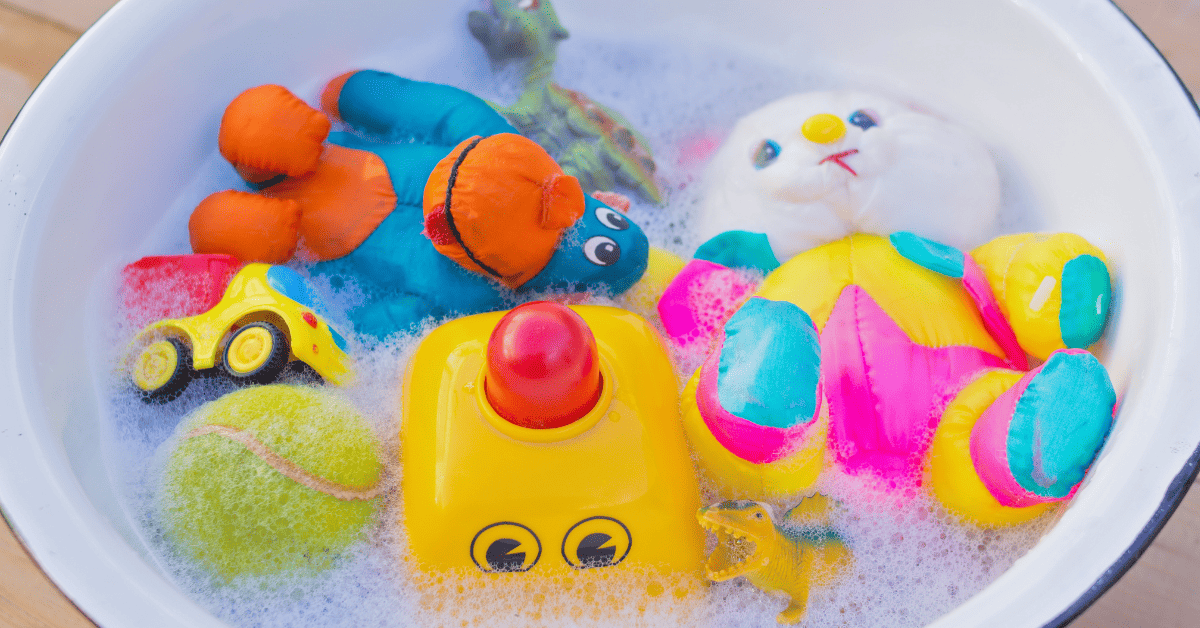
The safest way to sanitize baby toys is to first wash away visible dirt with warm water and mild soap. Then, use a cleaning method that's appropriate for the toy's material, such as boiling, dishwasher cleaning, machine washing, or a baby-safe disinfectant if recommended by the manufacturer.
Note: Always let toys dry completely before giving them back to your baby.
Why It's Important to Sanitize Baby Toys
If you've ever picked up a toy your baby dropped on the grocery store floor, you probably paused for a second before handing it back.
Babies explore the world with their hands, and more often than not, with their mouths. Toys travel from the play mat to the stroller, the diaper bag, and sometimes even the family pet. It's no surprise they can collect dirt, saliva, and germs along the way.
Regular cleaning helps keep toys fresh and hygienic. While it's impossible to eliminate every germ, keeping toys reasonably clean is an easy way to support a healthy play environment.
Cleaning vs. Sanitizing: What's the Difference?
These two terms are often used interchangeably, but they're not the same.
-
Cleaning removes dirt, dust, food residue, and saliva from a toy's surface.
-
Sanitizing goes one step further by reducing germs to safer levels.
For everyday play, cleaning is often enough. Sanitizing becomes more important when toys have been dropped in public places, shared with other children, or used during illness.
How Often Should You Sanitize Baby Toys?
Not every toy needs the same cleaning schedule. Here's a simple guide:
|
Toy Type |
Suggested Cleaning |
|
Teethers |
Daily or after being dropped |
|
Plastic toys |
About once a week |
|
Bath toys |
Weekly |
|
Plush toys |
Every few weeks or when dirty |
|
Outdoor toys |
After outdoor play if needed |
Note: If a toy goes into your baby's mouth frequently, it deserves a little extra attention!
How to Sanitize Baby Toys by Material

Different toys require different cleaning methods.
Plastic Toys
Most plastic toys can be washed with warm water and mild soap. Some are also dishwasher-safe, but always check the manufacturer's instructions first.
Allow the toys to air dry completely before storing them.
Silicone Teethers
Silicone teethers are often safe to sanitize by boiling for a few minutes or placing them on the top rack of the dishwasher if approved by the manufacturer.
Avoid using harsh cleaning products that aren't intended for baby items.
Rubber Toys
Rubber toys should usually be washed by hand with warm water and mild soap.
Avoid soaking them for long periods, especially if they have small openings where water can become trapped.
Wooden Toys
Wood is naturally porous, so it shouldn't be submerged in water.
Instead, wipe wooden toys with a damp cloth and mild soap if needed, then dry them immediately.
Plush Toys
Many stuffed animals and soft toys can be machine washed on a gentle cycle.
Check the care label first, then allow the toy to air dry or tumble dry on low heat if recommended.
Electronic Toys
Battery-operated toys should never be submerged in water.
Remove the batteries if possible and wipe the surface with a damp cloth. Dry thoroughly before putting the batteries back.
Safe Ways to Sanitize Baby Toys
There isn't one method that works for every toy. Choosing the right approach depends on the material.
Warm Water and Mild Soap
This is the safest option for routine cleaning and works well for many toys.
Boiling Water
Boiling is suitable for some silicone teethers and similar baby products, but only if the manufacturer confirms it's safe.
Dishwasher
Many hard plastic toys can be cleaned in the dishwasher. Use the top rack if recommended.
Baby-Safe Disinfectants
If additional sanitizing is needed, choose a disinfectant specifically designed for baby products and follow the instructions carefully.
Washing Machine
Fabric toys are often easiest to clean in the washing machine using a gentle cycle and mild detergent.
Common Mistakes Parents Make
Even with the best intentions, it's easy to make small mistakes when cleaning baby toys.
Using Harsh Chemicals
Strong household cleaners may leave behind residues that aren't suitable for toys babies put in their mouths.
Forgetting to Check Care Instructions
Not every toy is designed to be boiled, soaked, or machine washed.
Reading the care label can help prevent accidental damage.
Putting Electronic Toys in Water
Water and batteries don't mix. A damp cloth is usually all you need.
Storing Toys Before They're Dry
Moisture trapped inside toys can encourage mold or mildew, especially in bath toys.
Do You Need to Sanitize Toys Every Time They're Dropped?
Not necessarily.
If your baby drops a toy on your clean living room floor, simply picking it up may be enough.
But if it lands in places like:
-
A grocery store
-
A restaurant
-
A playground
-
A public waiting room
It's a good idea to clean or sanitize it before your baby uses it again.
The goal isn't perfection. It's making practical decisions based on where the toy has been.
Don't Forget About Bath Toys!
Bath toys spend a lot of time around water, making them more likely to develop mold if they aren't cared for properly.
To keep bath toys cleaner:
-
Empty any trapped water after each bath.
-
Let toys dry completely between uses.
-
Clean them regularly with warm soapy water.
-
Replace toys that develop cracks, mold, or unpleasant odors.
Read More: How to Bathe a Newborn: A Guide for First-Time Parents
When Is It Time to Replace a Baby Toy?

Cleaning can extend the life of a toy, but it can't fix everything.
Replace toys if you notice:
-
Cracks
-
Broken pieces
-
Loose parts
-
Torn fabric
-
Peeling paint
-
Mold that won't come off
A damaged toy can become a safety hazard, even if it's clean.
How to Store Clean Baby Toys
Once toys are clean, proper storage helps keep them that way.
Try these simple habits:
-
Store toys in a clean, dry basket or container.
-
Separate toys used outdoors from indoor toys.
-
Keep teethers in a clean container when traveling.
-
Avoid putting damp toys into storage bins.
Good storage can reduce the need for frequent deep cleaning.
Quick Cleaning Checklist
Before handing a toy back to your baby, remember to:
-
Remove visible dirt
-
Follow the manufacturer's care instructions
-
Use the appropriate cleaning method for the material
-
Let the toy dry completely
-
Check for damage before use
FAQs: How to Sanitize Baby Toys

What is the safest disinfectant for baby toys?
For routine cleaning, warm water and mild soap are usually enough. If extra sanitizing is needed, choose a baby-safe disinfectant approved for children's products and use it according to the manufacturer's instructions. Avoid harsh household cleaners that may leave unwanted residue.
Can I use baby wipes to clean toys?
Baby wipes can help remove light dirt while you're away from home, but they aren't a substitute for proper cleaning. Toys that regularly go in your baby's mouth should still be washed thoroughly using the appropriate cleaning method.
Final Thoughts
Keeping your baby's toys clean doesn't mean you need to sanitize everything every hour. Babies are naturally curious, and their favorite toys are meant to be played with, carried around, and yes, chewed on.
The key is knowing how to sanitize baby toys safely and making it part of your regular routine. By cleaning toys based on their material, letting them dry properly, and replacing damaged ones when needed, you can create a cleaner, safer space for your little one to learn and explore!
Related Articles:

Share:
Newborn Diapers: A Complete Buying Guide for Parents
When Do Babies Stop Breastfeeding? An Age Guide